AESTHESYS FOR TEAMS · LEVEL 3
Mute Practice for Teams
Other ways of communicating and thinking
A week without words and without phones. Time for perception to come to the foreground, for thinking and communication to find new forms, and for the running commentary in your head to grow quiet.
Through movement, tea, shared activities and time together, you explore a way of participating in life that does not begin with words.
Everyone is a message. Including you.
€5,000 for a group of 25. Larger groups receive an individual proposal.
Venue hire is additional. For residential programmes, accommodation and meals are additional.
Mute is the third level of AESTHESYS. Participants must have completed the full TEA programme and either the 15-hour Contact workshop or the 40-hour Contact retreat.
The programme can bring together a single company or graduates from several Contact groups.

What opens when words fall quiet
Mute grows out of seven years of experience with Silent Contact Festival, an international contact improvisation festival held in silence.
Over that time, the experience of living and practising together without habitual speech has shaped the programme around four connected changes.
Perception comes to the foreground
Attention moves towards what is happening: a movement, a change of pace, the distance between people, the atmosphere of a shared space.
You begin to notice more before asking for an explanation. Understanding takes shape through watching, participating and responding. The situation itself gives you information that constant conversation often leaves in the background.
Thinking becomes more inventive
You reconnect with a preverbal layer of thinking and communication. An idea can arrive as an image, a movement, a rhythm or something you begin doing together.
This opens an unusually rich space for creativity. You invent ways to make a proposal, invite a response, change a shared situation and develop something that nobody had fully imagined in advance.
Everyone is a message
Everyone is a message — including you.
Before anyone speaks, posture, pace, distance, gaze and the way we enter a shared action already shape what happens between us.
In Mute, you become more aware of what you express through your presence and how others respond. You learn to change the message by changing how you take part.
The inner commentary grows quiet
A full week gives you time to settle into a different rhythm. The running commentary in your head begins to quieten, leaving more room for direct experience.
You eat, move, rest and spend time with others. You can stay with what you see and feel without immediately turning it into an explanation.
How we spend the week
The practice continues through guided sessions, shared activities, meals, breaks and time on your own.
Movement, tea, drawing, objects, gesture, rhythm and shared action become ways of exploring and communicating. Some situations are introduced by the facilitator; others emerge from the group.
You might offer an idea through a movement, invite someone into an activity, rearrange a shared space or discover a new way to make something together.
The programme gives you time to stay with these discoveries, repeat them and develop your own ways of participating.
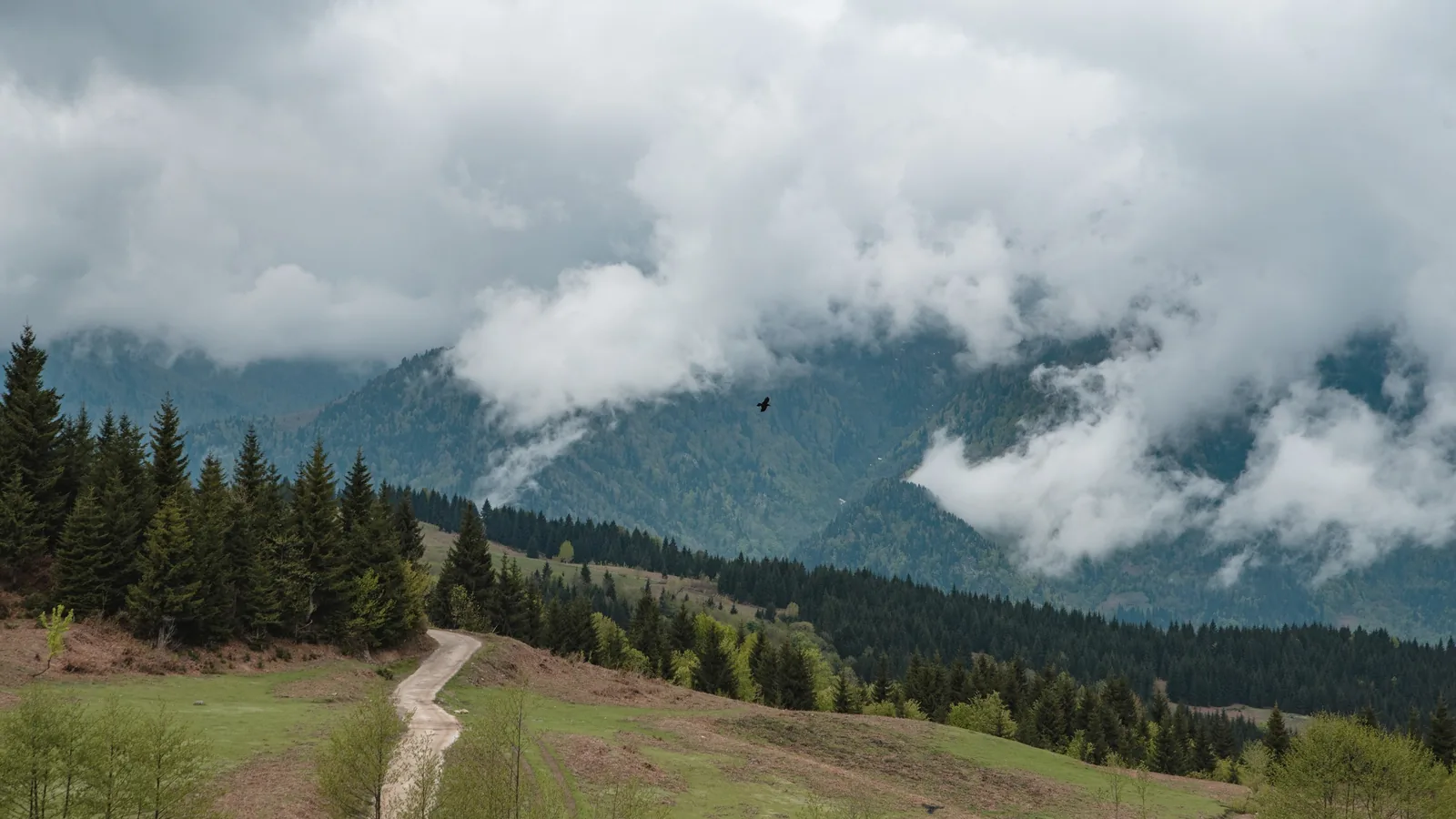
Continuous silence
We enter silence together after the opening orientation. It continues throughout the shared programme, including meals and breaks, until the closing return to voice and speech.
Participants and facilitators share this condition. Guidance during the silent period is given through demonstration, movement and other non-textual means.
There are no scheduled talking circles inside the silent period. Reflection and discussion take place when we return to speech at the close of the programme.
Phones and writing
Phones are put away for the duration of the programme.
Written words on paper are kept as a last resort. We encourage you to use and invent other ways of communicating: drawing, gesture, movement, objects, rhythm and shared action.
Choice and essential communication
Participation in each exercise is voluntary. You can pause, observe or leave an exercise. Physical contact happens by mutual agreement.
You can always speak to ask for help, express a limit or communicate an essential need.
When the group returns to discussion, you choose what to share. The programme does not assess or rank employees.
How the week unfolds
Entering the practice
Before silence begins, we meet the group and the space, explain the conditions and establish clear ways of making a request, declining and asking for help.
Living and practising in silence
The main part of the week brings together movement, sensory practice, shared activities, rest and time to explore what emerges.
Silence continues across these different settings. You have time to move beyond familiar ways of making yourself understood and develop new ones.
Returning to voice
The return to voice and words is an intentional part of the closing process. We give this transition time and attention.
Bringing the experience into life and work
After leaving silence, we reflect on what became visible: how you perceive, how an idea begins, what your presence communicates and how you create with other people.
We connect this experience to the situations you return to — including collaboration, creative work and your use of AI.
What this changes in work with AI
AI helps us generate language, proposals and explanations quickly. Mute develops the experience from which you form your own questions, intentions and criteria.
You practise recognising an emerging idea before it has a finished explanation. You discover what can be communicated through an image, an arrangement, a rhythm or an action. You become more aware of what you bring into an interaction through your attention and presence.
This expands how you work with AI: how you arrive at a question, choose a direction, recognise a meaningful possibility and decide what to develop.
The connection to work is made after the silent period, through reflection on real situations from your team. The week itself gives you sustained time for perception, invention and shared experience.
For teams ready for the next level
Mute is for participants who have completed TEA and Contact and want to work with the wider conditions of thinking, communicating and creating together.
It is particularly relevant when:
- Your work produces a constant stream of messages, explanations and decisions, and you want to recover space for perception and original thought.
- Your team wants to explore creative possibilities beyond its familiar language and established ways of working.
- You want to understand more clearly what each person brings into a shared situation — through presence, timing, initiative and response.
- You are ready to set aside a full week for an experience that continues beyond individual exercises.
The programme can be arranged for one company or as a combined cohort of graduates from several Contact programmes. Participating companies can share the programme and venue costs, with the allocation agreed in advance.
Format and fee
Week-long programme
From €5,000
| Group size | Programme fee |
|---|---|
| 25 participants | €5,000 |
| 26–75 participants | Individual proposal |
- All programmes take place in person.
- Mute is offered only as a complete week. There are no introductory sessions or shorter trial formats.
- Venue hire is additional. For residential programmes, accommodation and meals are additional.
- The written proposal confirms the dates, venue, facilitation arrangements, applicable taxes, any agreed travel expenses and the allocation of costs between participating companies.
The facilitator
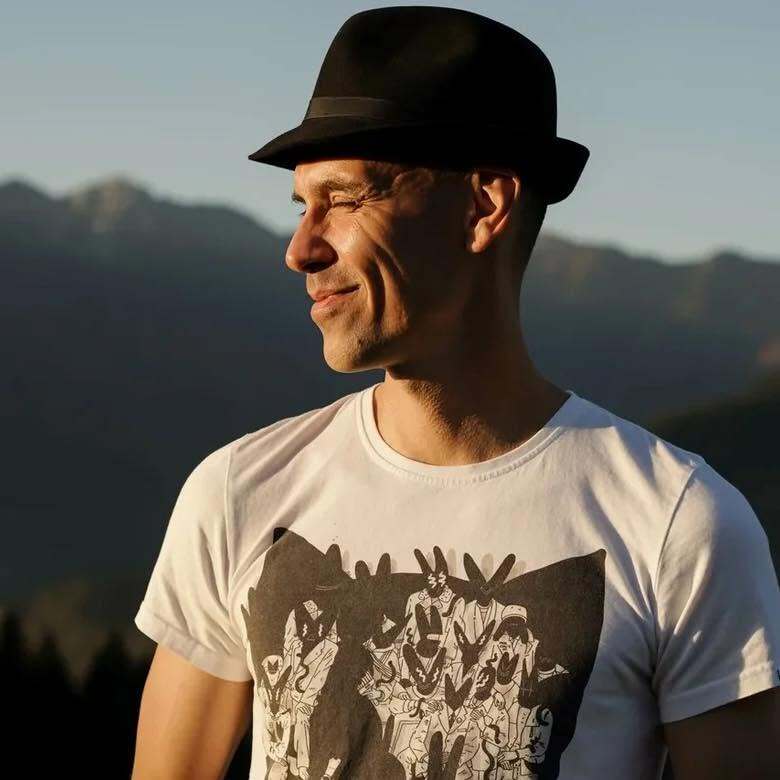
Yevhen Vovk · Yu Gen
I am the author of AESTHESYS. I have practised tea ceremony since 2003 and taught contact improvisation since 2015.
My work with Silent Contact Festival is the foundation of this programme: bringing international groups together in silence and developing ways to guide movement, shared activity and communication without relying on spoken instructions.
Mute brings this experience into the AESTHESYS path for teams, connecting embodied practice, creativity, philosophy of action and work with AI.
Questions
Do we need to complete TEA and Contact first?
Yes: complete the full TEA programme, then either the 15-hour Contact workshop or the 40-hour retreat. Introductory sessions do not count as completing a level.
Is silence continuous throughout the programme?
Yes: from the end of the opening orientation until the closing return to speech, including meals and breaks.
Are the facilitators silent too?
Yes. They guide through demonstration, movement and other non-textual means.
Can we use phones or write messages?
Phones are put away for the week; written words on paper are a last resort. Use or invent non-textual ways to communicate.
What if I need to speak?
You can always speak to request help, express a limit or communicate an essential need. You can also pause or leave an exercise.
Is there a shorter version we can try first?
No. Mute is offered only as a full week of continuous silence.
How are larger groups priced?
€5,000 for 25 participants; groups of 26–75 receive an individual proposal. Venue hire is additional, as are accommodation and meals for residential programmes.
The sequential path for teams
AESTHESYS for Teams · Level 3
Discuss a Mute programme
Tell me about your group, the programmes you have completed and the week you would like to create together.